November 19, 2026, 8:16 a.m. (JST)
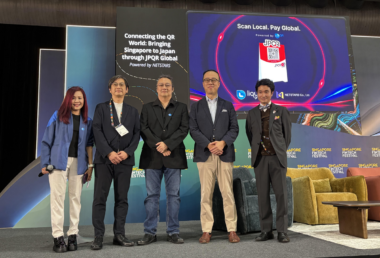
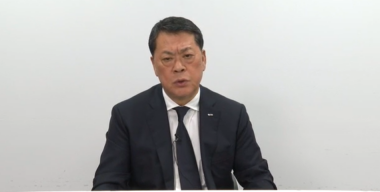
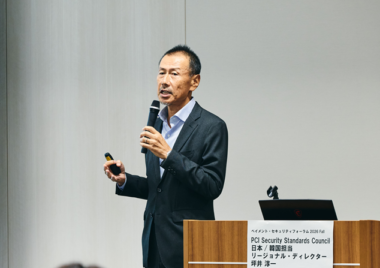
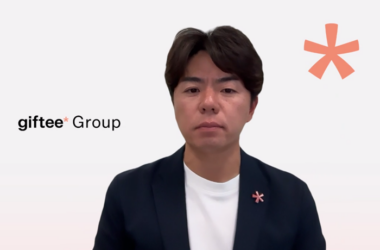
[Singapore] NetStars and Singapore-based fintech firm Liquid Group have connected “RoamQR,” the cross-border QR Code Payment network operated by Liquid Group, with “JPQR Global,” Japan’s unified QR Code Payment platform.On November 18, 2026, a ceremony was held at the IgniteStage during the “11th Singapore Fintech Festival.” We also interviewed Li Gang, President and CEO of NetStars, about the background of this integration and his vision for Asia’s payment infrastructure moving forward.
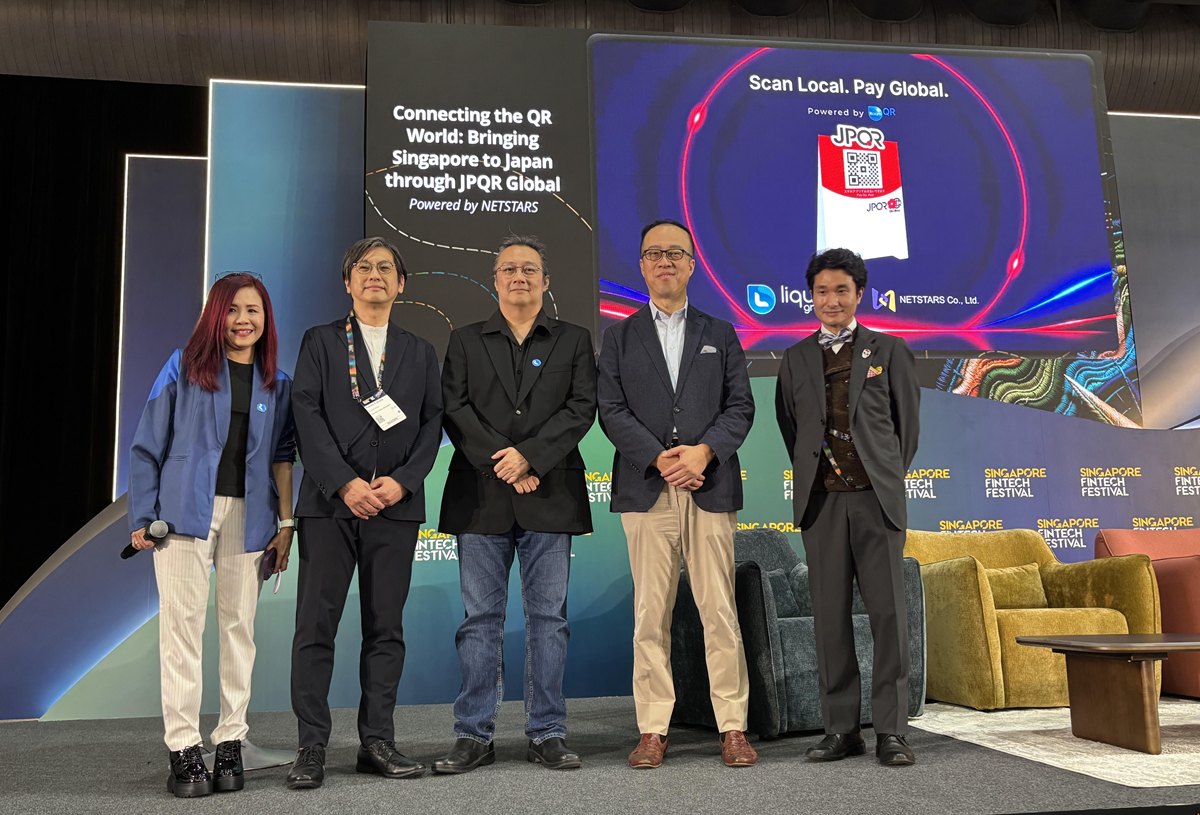
Announced
at SFF’s IgniteStage Launch Ceremony Held
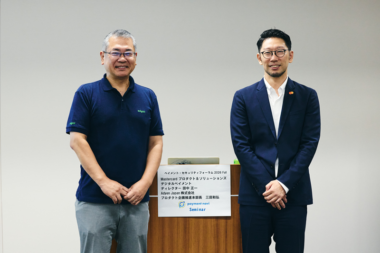
At the ceremony on the IgniteStage, Junya Komatsu, a Technical Consultant (Project Manager) at NetStars, and Angela Lim, Group General Manager of Liquid Group, took the stage.In addition to Mr. Li of NetStars, Liquid Group CEO Jeremy Tan and Yoshio Fukuda, Secretary-General and Executive Director of the Payments Japan Association, also took the stage at the launch ceremony.
Through this partnership between NetStars and Liquid Group, Singaporean Payment Service Providers and wallet users participating in RoamQR can use their home country’s payment apps as-is at JPQR Global Merchant locations in Japan. Visitors to Japan will not need to download a new app and can shop and dine using their usual payment experience.
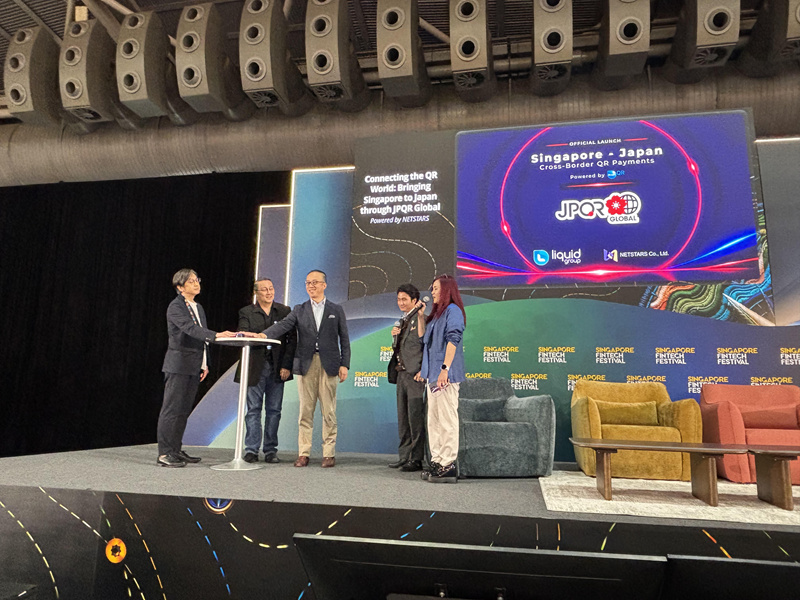
As the third region to be connected—following Cambodia (KHQR) and Indonesia (QRIS)—NetStars had identified Singapore as a key market from an early stage. The company stated that establishing an early connection with Singapore—a country with many Japan enthusiasts and a large number of visitors to Japan—was essential for capturing inbound demand.
While partnering with other payment networks was also an option, Mr. Li cited three reasons for ultimately choosing Liquid Group: its possession of a “switcher” function (a payment relay platform), its strong global expansion capabilities, and its significant scalability for future connections to other countries and services.
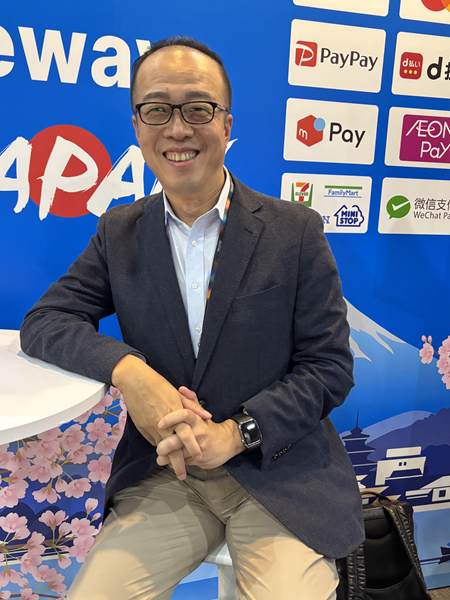
Furthermore, the fact that NetStars had established a subsidiary in Singapore about eight years ago and had built a relationship of trust with Liquid Group through its local network laid the groundwork for a smooth agreement.
Regarding the partnership with NetStars and the entry into the Japanese market, Jeremy Tan, CEO of Liquid Group, expressed his enthusiasm: “This is our first initiative of this kind, and it is extremely interesting for us. While we have covered much of Southeast Asia to date, the connection with Japan—specifically the payment corridor between Singapore and Japan—holds great significance, given the very high demand for tourism.“We are pleased to be able to make this announcement at the end of 2026, and we look forward to further expanding our transaction volume in Japan starting in 2027 and beyond,” he said, expressing his enthusiasm.
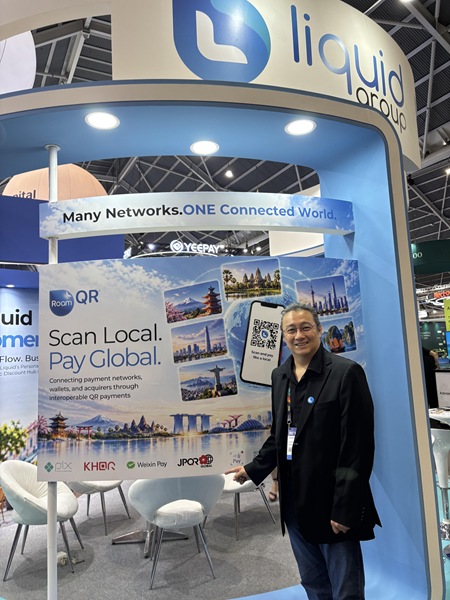
Aiming
to Connect with “Japan as a Country,” Not Individual Companies Live Operation Begins About One Month After Agreement
The most distinctive feature of this project is that it connects national-level standards rather than individual private payment services. Mr. Li stated, “Rather than connecting with individual Payment Service Providers, we aimed to connect with Japan’s national payment infrastructure.”Similarly, Liquid Group sought to connect not with a single QR code provider but with Japan’s standard QR infrastructure; therefore, integration with “JPQR Global”—promoted by the Ministry of Economy, Trade and Industry—was the most logical choice.
It should be noted that this differs in function from “SGQR,” Singapore’s unified QR code standard. Since the connection established here is with the international network “RoamQR,” not all Singaporean apps will be usable; rather, this system enables only “payment apps participating in RoamQR” to process payments within Japan.
|
Network Name |
Operator/Administrator |
Role and Positioning |
|
RoamQR |
Liquid Group |
A cross-border payment network connecting multiple countries and Payment Service Providers (now connected) |
|
SGQR |
Singapore Government and Authorities |
A unified national standard integrating QR codes within Singapore |
Compared to Cambodia and Indonesia—where the presence of multiple switch operators tended to complicate coordination—collaboration with Singapore was reportedly very straightforward. From reaching an agreement to implementing the system according to the specifications, the project reached live connection in just about one month. Since the process was completed without major issues, Mr. Li highly praised it as “one of the smoothest implementations we’ve ever had.”
Roadmap
for Expansion into 8 Asian Countries Breaking Down the “Outbound” Barrier
While JPQR Global now has connections in three regions, the company plans to expand into Thailand, Vietnam, India, Malaysia, and the Philippines, aiming first to build a network spanning a total of eight countries. The company also has its sights set on key markets such as Taiwan and South Korea, though it is expected that establishing a unified framework and securing regulatory approvals and institutional adjustments will take some time.
Meanwhile, the company states that its biggest challenge moving forward is promoting “outbound” payments (use by Japanese citizens overseas).Currently, the focus is on “inbound payments” used by foreign visitors to Japan; however, in Southeast Asia, there are many stores that do not accept credit cards and “only accept QR payments.” To ensure Japanese travelers can make payments comfortably while abroad, it is urgent to secure further participation from Japanese QR payment providers, foster an understanding of local business practices in each country, and ensure the profitability of the business.
Is the ultimate goal to leverage blockchain?
Aiming for “Asia’s New Financial Infrastructure”
Mr. Li does not view the current JPQR Global as merely a QR code interoperability initiative; rather, he positions it as “the first step toward establishing a payment infrastructure for all of Asia.”The first step is to establish a QR payment network connecting more than 10 countries. Beyond that, the vision includes streamlining cross-border remittances and international settlements, utilizing blockchain technology, and integrating with Stablecoin Payments.
“The essence of JPQR Global lies not in short-term profits, but in building the network first,” Li says. “It will only become a fully-fledged business once it has expanded to cover 10 countries.”