August 19, 2026, 10:51 a.m. (JST)
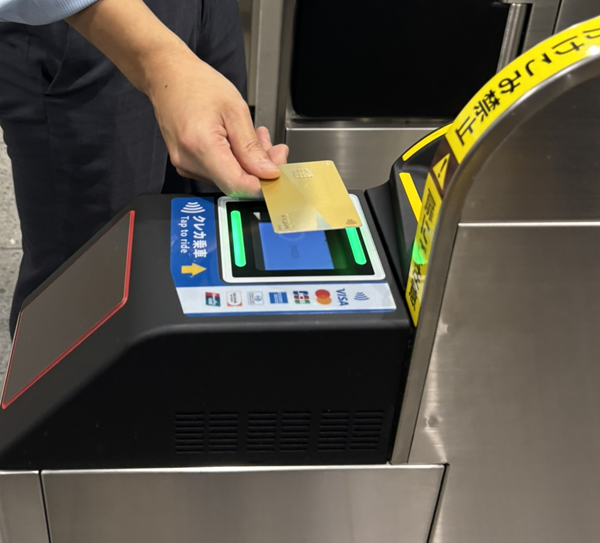
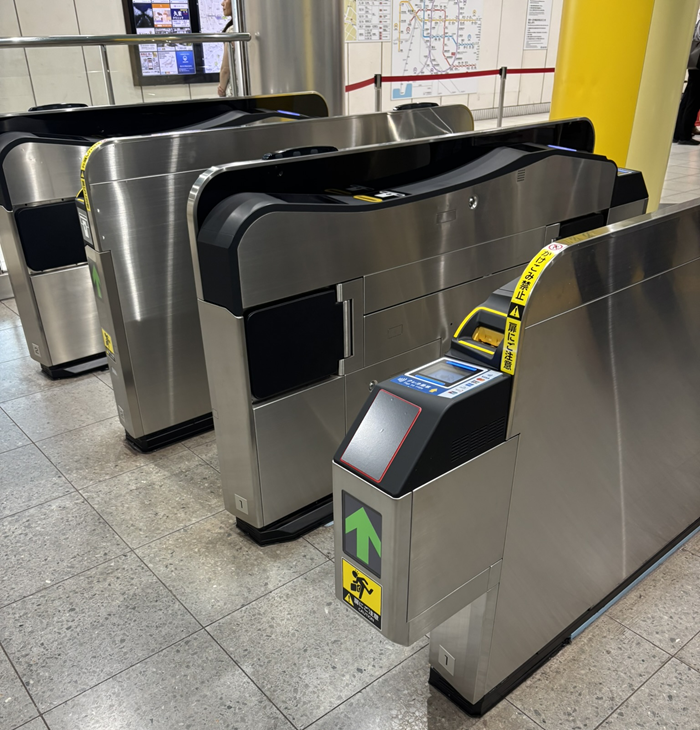
[Japan] The Nagoya City Transportation Bureau (Nagoya City, Aichi Prefecture), in collaboration with Sumitomo Mitsui Card and others, will launch a “credit card fare payment” service at all Nagoya Municipal Subway stations starting September 3, 2026. This contactless payment service allows passengers to pay for their rides using the payment methods they already use on a daily basis.With the introduction of this service, the bureau aims to create a more user-friendly transportation environment for both residents and visitors from Japan and abroad.
Available
at all 87 stations 70% of purchases in the Nagoya area are made with credit cards
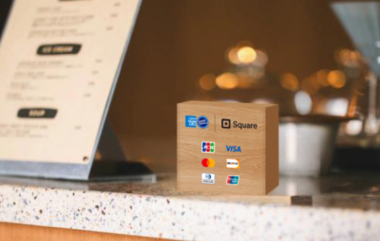
The Nagoya City Transportation Bureau will accept the following credit card brands for this service: Visa, Mastercard, JCB, American Express, Diners Club, Discover, and UnionPay.Currently, credit card payments are accepted at Chubu Centrair International Airport Station, Meitetsu Nagoya Station, Kanayama Station, Higashi-Okazaki Station, Jingumae Station, Kokufu-miya Station, Meitetsu Ichinomiya Station, Shin-Kisogawa Station,Kasamatsu Station, Meitetsu Gifu Station, Inuyama Station, Chita-Handa Station, and Nishio Station; however, when the service launches on September 3, it will be available at all 87 stations. At launch, 73 stations will support credit card fares through the ticket gates, while 14 stations will process payments at ticket windows.
Cashless payments in Japan have been expanding rapidly since around 2020, and according to figures released by the Ministry of Economy, Trade and Industry, they are projected to reach 58% by 2025. The government aims for 65% by 2030 and 80% in the future. According to Visa, 60% of in-person transactions in Japan are already made via contactless payments.

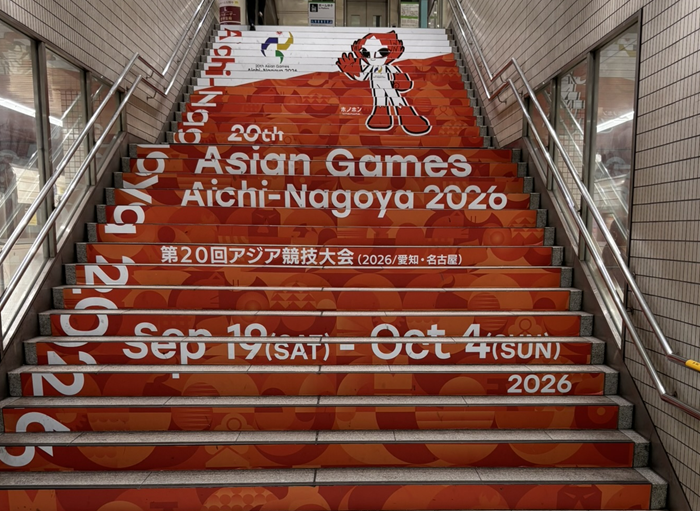
According to Sumitomo Mitsui Card’s data, in the Nagoya area, the card is used by more than 70% of inbound tourists for shopping.Furthermore, while visitors from East Asia—including Taiwan, South Korea, Hong Kong, and China—account for more than half of the total, the number of inbound tourists is expected to increase further as Nagoya City, Aichi Prefecture, is scheduled to host the Asian Games in September 2026 and the Asian Para Games in October 2026.

Credit card payments for public transit are currently accepted
by 233 operators in Japan Currently, inbound tourists account for 10 percent of users
Sumitomo Mitsui Card’s “stera transit” is a contactless payment solution for public transportation.To address challenges related to the adoption of cashless payments, the service utilizes “stera,” a payment platform for operators jointly developed by Sumitomo Mitsui Card, GMO Payment Gateway, GMO Financial Gate, and Visa, along with the international brands’ contactless payment technology, “Touch Payment.”
The company is working to raise user awareness under the nickname “Credit Card Ride,” and the service has been adopted by 870 operators globally.In Japan, it has been adopted by 233 operators, and adoption is expanding. For users, it allows them to use the same payment method as in their home countries and pass through ticket gates without having to pre-charge their cards. This helps eliminate lines at ticket vending machines and reduces the workload on staff.
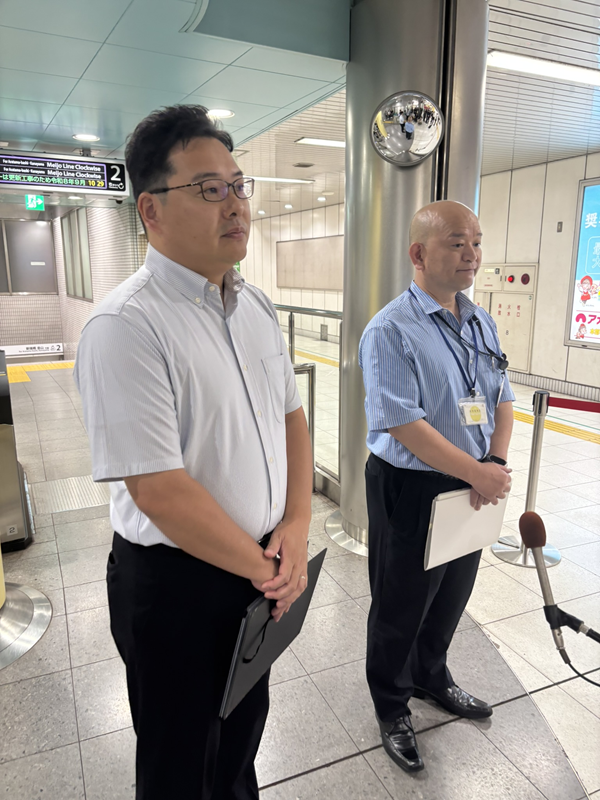
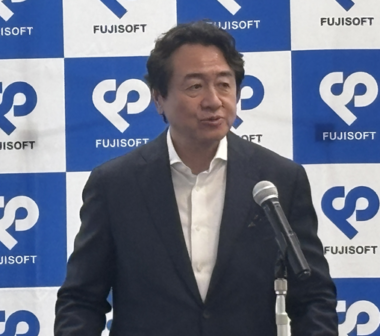
According to Masatoshi Ishizuka, General Manager of the Transit Division and Head of Transit Business Planning at Sumitomo Mitsui Card, approximately 90% of “Credit Card Ride” users are currently Japanese, while inbound travelers account for the remaining 10%.
Nagoya City anticipates
that transit cards will account for about 90 percent of usage, with 1 percent coming from other methods. What are your views on next-generation fare payment methods such as facial recognition and UWB?
Furthermore, the estimated total project cost for this initiative—combining credit card fares and QR tickets—is 1.1 to 1.2 billion yen.According to Mr. Shintaro Murayama, Assistant Section Chief of the Operations Section, Operations Management Division, Operations Headquarters, Nagoya City Transportation Bureau, IC tickets such as “manaca” currently account for about 90% of usage at the Nagoya City Transportation Bureau. The bureau anticipates that credit card payments will account for about 1% of usage.
The schedule for this initiative was reportedly accelerated in anticipation of the Asian Games. Moving forward, the bureau plans to promote the service through posters, the web, and social media. In the Kansai region, usage expanded significantly following the “Osaka-Kansai World Expo,” leading to wider adoption on trains and buses; the bureau expects this trend to extend to the Tokai region as well.
Going forward, the company hopes to utilize the consumption and mobility data from “stera transit” to identify “which countries and regions people are traveling from, for what purposes, and to where,” and to apply these insights to further initiatives such as public relations campaigns.
Sumitomo Mitsui Card noted that if the credit card fare payment service expands in the Tokai region, it will lead to more flexible uses beyond simply riding trains.
While trials of transportation systems utilizing facial recognition and UWB (Ultra Wide Band) are underway in Japan, Mr. Ishizuka remarked, “I believe ‘global standards’ will be a key factor.” He noted that since it is currently unclear what will become the standard for next-generation ticket gate payments, this uncertainty will be a critical factor in determining which technologies are adopted.