November 26, 2026, 9:49 a.m. (JST)
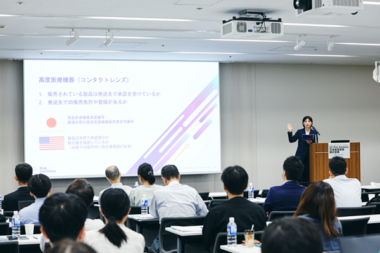
[Japan] On October 14, 2026, Sansan held the “Sansan Innovation Summit 2026.” Now in its eighth year, the conference featured a variety of presentations and workshops, including sessions on implementation case studies by client companies.
Corporate card usage has increased more than
30-fold Eliminating the need for expense reimbursements and receipt follow-ups
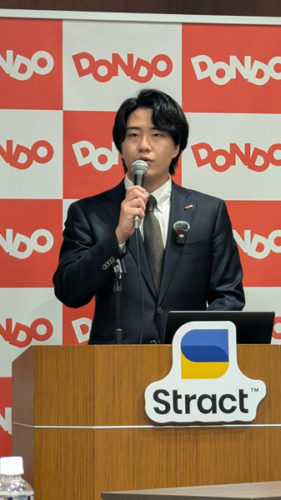
During the case study session, Yusuke Yamazaki, Leader of the Accounting and Management Control Departments at CUC, delivered a presentation titled “Eliminate the Hassle of Expense Reimbursements, Petty Cash, and Corporate Cards! Accelerate Monthly Closing and Support Business Growth Through Accounting.”
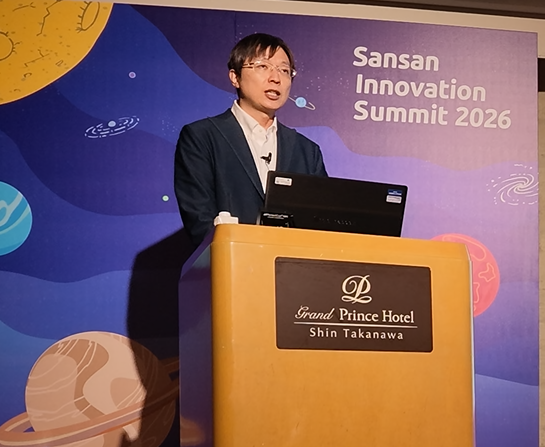
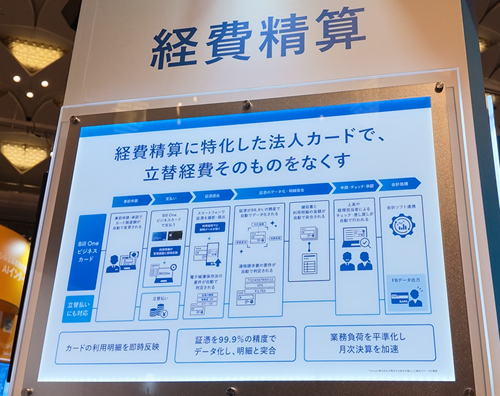
At CUC, challenges such as the burden of advance expense payments and the cumbersome management of corporate cards and petty cash were resolved through the implementation of Bill One and “Bill One Business Card.” Mr. Yamazaki described the results, stating, “We were able to comprehensively resolve the challenges related to advance expense payments, corporate cards, and petty cash management.”
Before implementing Bill One, there were cases where out-of-pocket expenses for overseas business trips exceeded 1 million yen per month, and the accounting department faced a heavy workload due to a surge in expense reports at the end of each month.Furthermore, with the existing corporate cards, it took one to two months for transaction details to be reflected, resulting in significant effort required to collect receipts and verify the purpose of each transaction. Additionally, managing and replenishing petty cash across numerous locations posed a challenge.
When deciding to adopt the system, the company cited the real-time updating of transaction details, automatic receipt matching, and the ease of issuing, suspending, and adjusting credit limits online as key factors.
As a result of the implementation, the time spent on expense processing was reduced by 48 hours per month (equivalent to approximately 6 business days), and the number of corporate card transactions increased more than 30-fold. This also led to faster monthly closing.
As for qualitative results, the need for advance reimbursement processing and follow-ups regarding receipts has been virtually eliminated, allowing accounting staff to devote their time to process improvement and strategic planning. Going forward, the company plans to further promote AI-driven data analysis and proposals for operational improvements.
Shifting
Toward “Thinking Work” Reaping the Benefits of AI and Technology in Accounting Operations
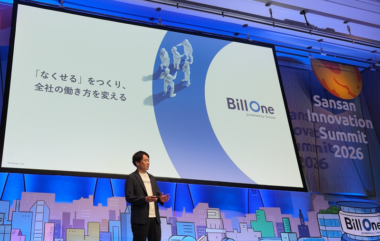
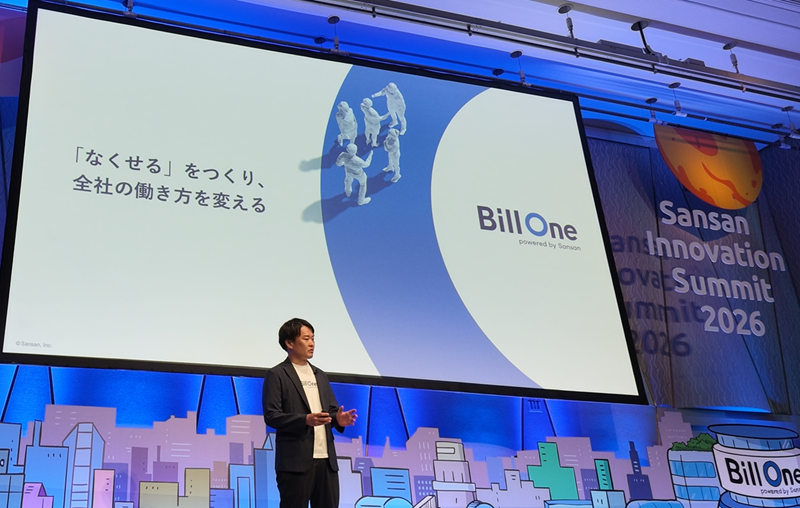
Meanwhile, Katsuya Onishi, General Manager of the Bill One Division, delivered a presentation under the theme “Creating ‘Things We Can Eliminate’ to Transform the Way the Entire Company Works.”
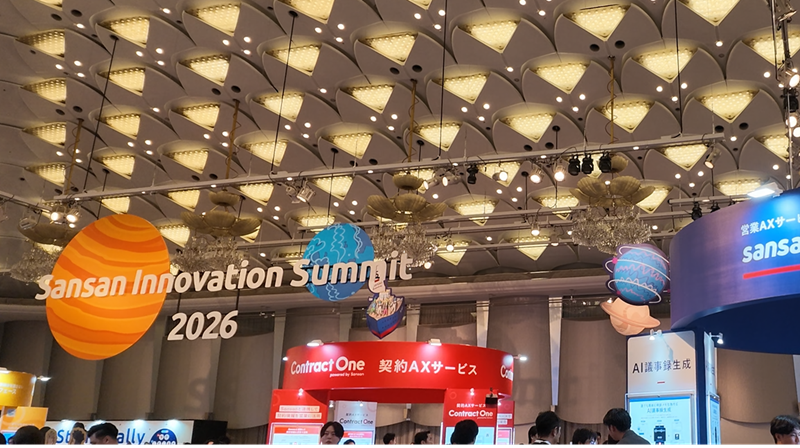
According to Mr. Onishi, more than 60 percent of accounting staff are not making full use of AI. To address this challenge, Sansan aims to create an environment that thoroughly eliminates routine tasks, allowing accounting staff to shift toward “thinking work” that involves analysis and management decision-making.
Mr. Onishi stated, “First, we ask, ‘Can this be eliminated?’ If it cannot be eliminated, we consider how much it can be reduced. We are building a world where the benefits of AI and technology can be safely harnessed in accounting operations as well.”
Bill One aims to evolve beyond a simple invoice receipt service into an AI platform that supports the entire accounting process.
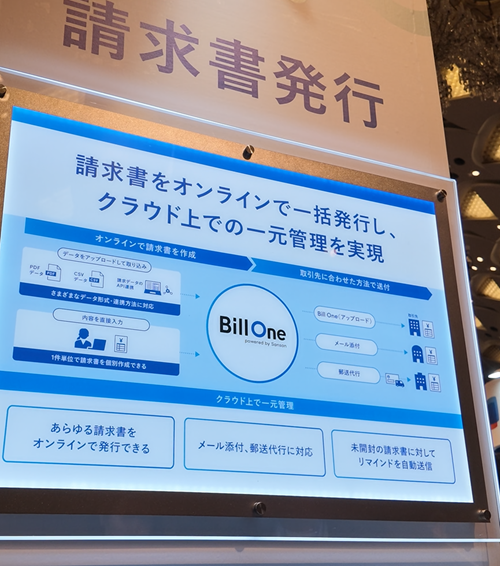
Currently, over 278,000 companies participate in the “Bill One” cloud-based invoice receipt service’s invoice network, with an annual transaction volume reaching approximately 80 trillion yen.
Toward
a Business Infrastructure That Integrates Business Documentation and Fund Settlements Between Companies Automatic Reconciliation of Deposits with Bill One Bank
Going forward, the company aims to create a business infrastructure that integrates business documentation and fund settlements between companies by enabling the entire process—from invoice receipt to bank transfers and payments, and even integration with banking functions—to be completed entirely on the Bill One platform.
One of the foundations supporting this network is “Bill One Bank.” By issuing a dedicated virtual account for each business partner, invoice information and payment information can be automatically linked. Key features include the automation of payment reconciliation—a task previously performed manually by accounting staff—and the ability to monitor payment status in real time.
Going forward, the company aims to create a business infrastructure that integrates corporate documentation and fund settlements by enabling the entire process—from invoice receipt to bank transfers and payments, as well as integration with banking functions—to be completed entirely on Bill One.
Based on 99.9% data accuracy, a cumulative total of over 50 million invoice records, and its proprietary “connection data,” Bill One automates tasks such as invoice receipt, expense reimbursement, and payment reconciliation.
In invoice management, its proprietary “proxy receipt” feature handles everything from receipt to digitization in a single process, regardless of whether the invoice is paper or electronic.For expense reimbursements, the “Bill One Business Card” eliminates the need for employees to submit reimbursement claims altogether. Furthermore, by utilizing Bill One Bank’s virtual accounts, the system automatically links payment receipt information with receivables data, enabling automated payment reconciliation.
The following AI-powered features are available:
・AI-powered automatic journal entry creation: Learns from past journal entry decisions to automatically input account codes and amounts
・AI Automatic Reconciliation: Based on past decisions, the system suggests potential matches between invoices and purchase order/delivery data
・Automatic Detection: Detects application errors and fraud based on rules, and automates requests for corrections
・Automated Approval: Automatically approves requests that meet specified conditions, reducing the burden on approvers
As part of our future roadmap, we plan to provide a dedicated integration platform that eliminates the need for custom development, as well as develop customized features for each customer using AI. We intend to expand functionality to meet the specific needs of each company, such as contract reconciliation and expense analysis.