October 8, 2026, 8:10 a.m. (JST)
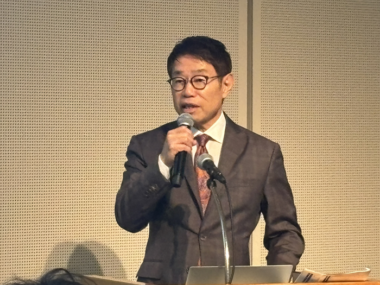
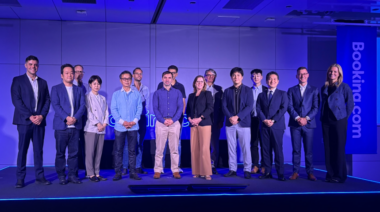
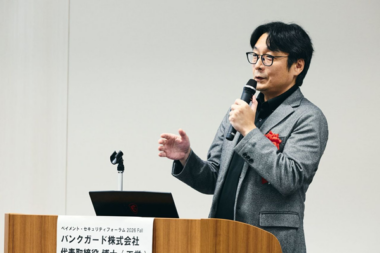
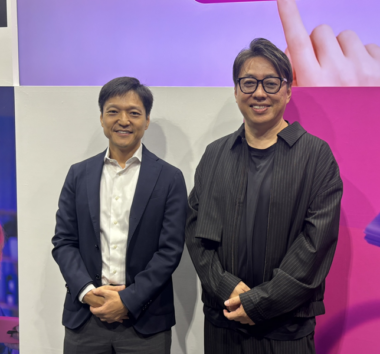
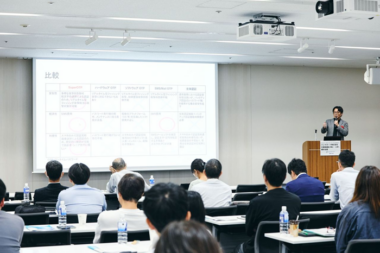
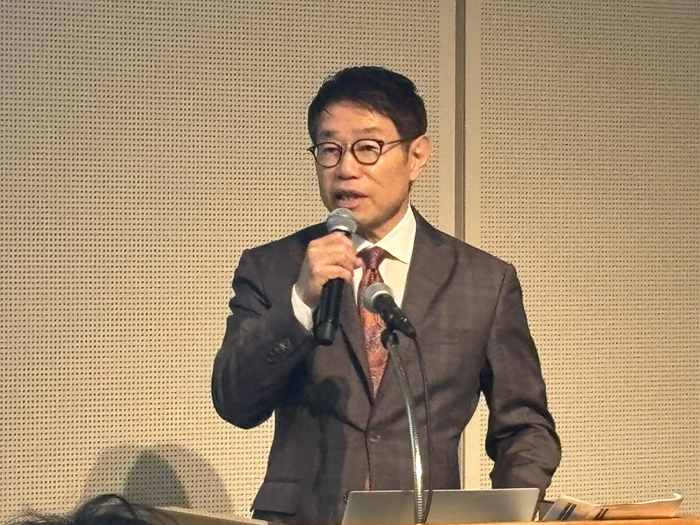
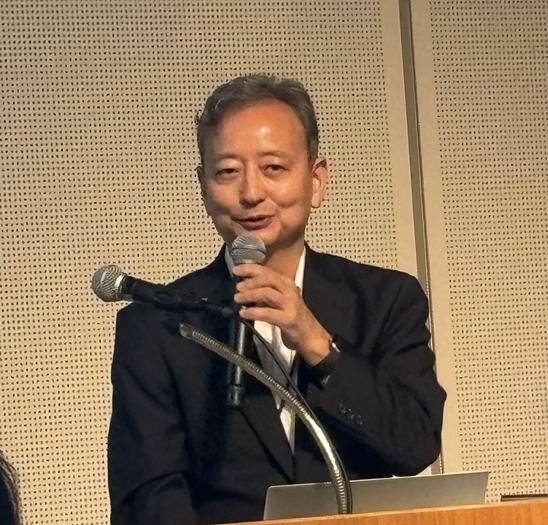
[Japan] On September 17, 2026, Future Architect held a special seminar titled “Pioneering Finance and Regional Economies with ‘AI’ × ‘InfiniBANK’” at the Tokyo International Forum, targeting financial institutions and other organizations.On the day of the event, following opening remarks by Future Architect Chairman and CEO Yasufumi Kanemaru, former Financial Services Agency Commissioner Hideki Ito delivered a keynote speech titled “A Rapidly Changing Environment and the Future of the Banking Industry.”In addition, Takako Komatsu, Director of Future Architect, and others gave presentations on the features of InfiniBANK.
“InfiniBANK” was built
entirely from scratch Promoted as the group’s top priority business
The company provides “InfiniBANK,” a next-generation cloud-based core banking system for regional financial institutions.“InfiniBANK” is a cloud-based core banking system developed by Future Architect based on its track record of supporting more than 30 regional financial institutions nationwide. It has also been adopted as the foundation for the “Fourth Megabank Initiative” promoted by the SBI Group and is provided to the SBI Regional Revitalization Banking System.
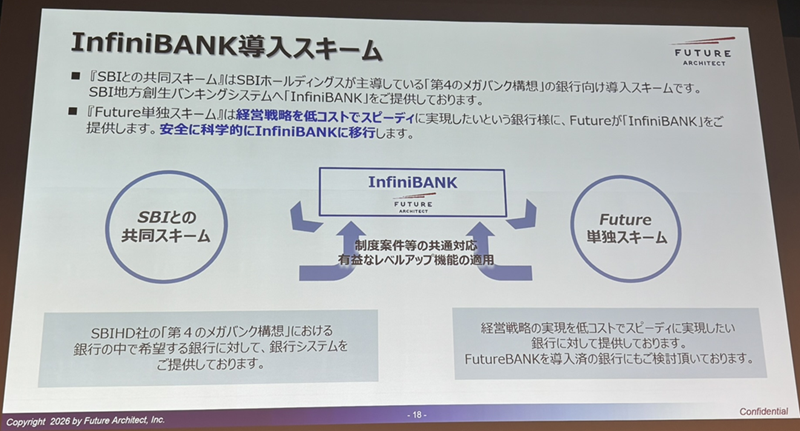
Under the company’s standalone scheme, “InfiniBANK” is offered to banks seeking to implement their management strategies quickly and at low cost.
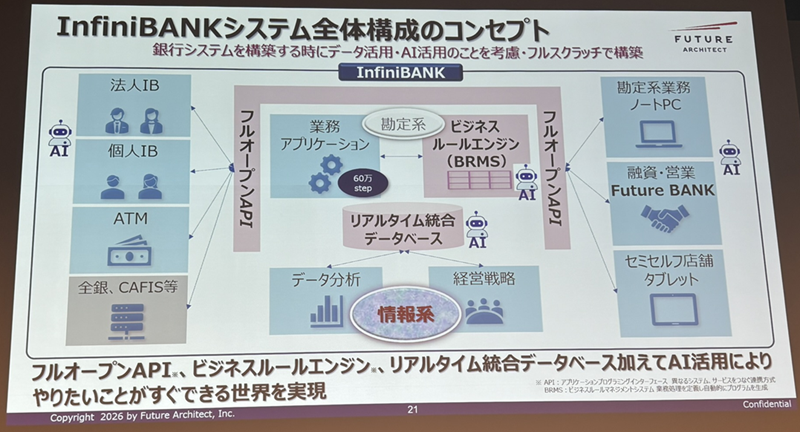
Current banking systems are said to have become increasingly complex and bloated. Against this backdrop, “InfiniBANK” is built entirely from scratch, with data utilization and AI integration factored into the design from the outset.
Although Future’s Next-Generation Banking Division is in charge of this business, the Future Group as a whole is reportedly promoting this project as its top priority.
Although “InfiniBANK” has already been successfully deployed on AWS, it is not dependent on AWS products and can run on other public clouds or on-premises. The company states that the cloud infrastructure enables improved speed and flexibility, optimized infrastructure costs, and high reliability and security.
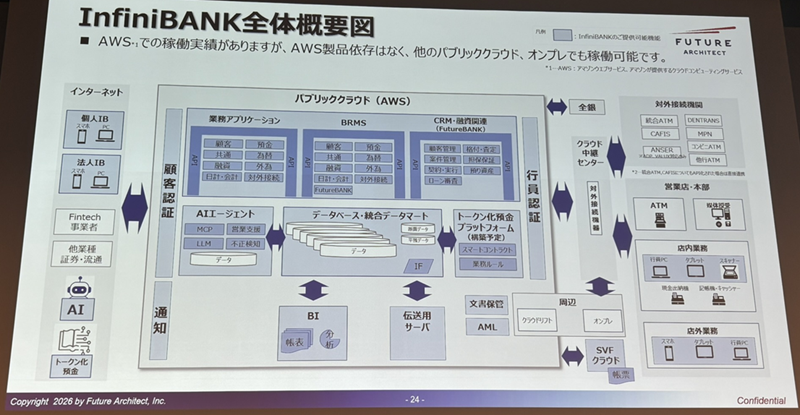
In terms of functionality, the system adopts an architecture that streamlines business processes and simplifies core banking functions while leveraging the latest technologies. Since all banking services can be provided via APIs, the system can respond flexibly and quickly to regulatory changes and the expansion of new services.
An application function called the “Orchestrator” combines various services and exposes them externally as APIs. By combining this with externalized business rules, the system achieves flexibility when adding new services and accelerates modifications by limiting the scope of impact.
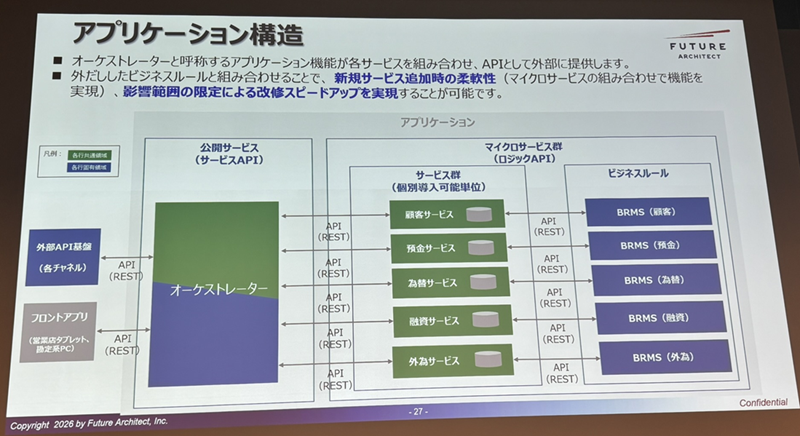
Business rules consist of combinations of conditions and actions. A BRMS (Business Rule Management System) externalizes the business logic from the program. This creates a structure capable of flexibly adapting to changes in business processes. It also allows the system to possess real-time, rich data from the outset. Furthermore, it is reportedly easy to integrate with other services and various AI systems.

For data migration, data is extracted directly from the current system, and processes such as refunds are handled by “InfiniBANK.” Migration design documents are efficiently created using AI and automatically generated from the migration program.Rules that must be carried over from the current system—such as ID management (e.g., account numbers and customer numbers), various calculation formulas (e.g., for contract closures and interest), accounting codes, and delinquency criteria—can be migrated as-is using BRMS. This minimizes the load on the current system and enables a secure system migration through extensive automation.
In addition to the system migration, the project will also carry out a transition that encompasses business operations and organizational structures. Migration rehearsals, sales training, and branch testing will be conducted in close collaboration with the bank. Furthermore, quality will be ensured through side-by-side verification and parallel operation for the bank’s various metrics, customer services, and interfaces with external systems.
Flexibility
Through AI-Driven Development Secure System Migration Is Also a Strength
As part of our quality assurance efforts, we work with the bank to ensure quality at every stage of the process. Furthermore, at Future, we identify risks at an early stage, minimize their potential impact, and have established a system of checks and balances and backup measures to detect risks.
During phase reviews, we proceed by obtaining assessments from each department upon completion of each phase.Furthermore, by incorporating a third-party perspective into these evaluations, we structurally prevent the risk of proceeding to the next phase while quality issues remain unresolved. We follow a waterfall approach based on a design concept that structures each function with loose coupling. However, from design through unit testing, we use an iterative approach and implement measures such as preventing rework.
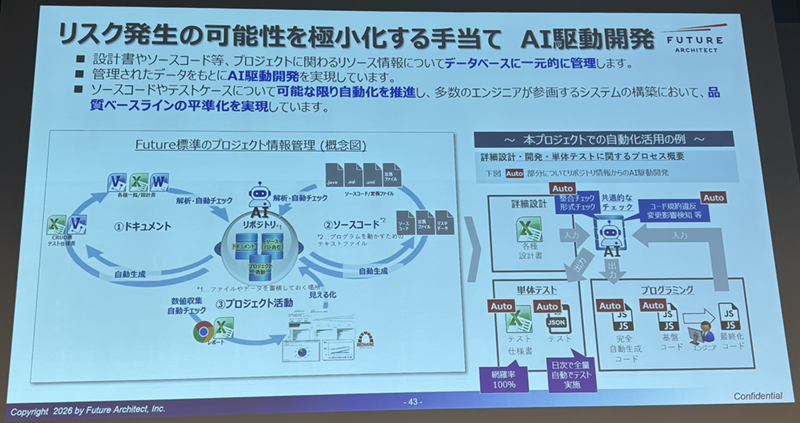
Furthermore, as a measure to minimize the occurrence of risks, we implement AI-driven development based on managed data. We promote automation of source code and test cases to the greatest extent possible, thereby achieving a level playing field for quality baselines in the construction of systems involving a large number of engineers.
Strengthening
the Use of AI and Blockchain Could Tokenized Deposits Contribute to Regional Revitalization and Economic Growth?
The company promotes security by taking into account management, operations, and systems as a whole. As AI-driven fraud increases, the ability to respond quickly to vulnerabilities has become critical; “InfiniBANK” incorporates the security measures and system-building expertise that Future has cultivated over the years.It incorporates best practices from around the world to achieve multi-layered defense. Furthermore, cybersecurity expertise is integrated from the design phase onward.
Furthermore, by implementing paperless operations and automating reconciliation and verification processes, the system significantly reduces administrative burdens. It also enhances fraud prevention and security through rule-based authorization management and system-level tracking of operation histories. Additionally, the use of AI-OCR helps streamline administrative tasks and save labor.
The use of AI eliminates the need for operational improvements driven by administrative tasks, freeing up time for bank employees to engage with local businesses and customers.Additionally, the bank has introduced an AI system for corporate sales at its branches. By leveraging real-time transaction data, customer information, and records of past customer interactions, the system aims to deepen customer understanding, standardize sales skills, and strengthen customer engagement, thereby improving productivity and profitability.Furthermore, by automating preparatory tasks with AI, staff gain mental and operational flexibility, enabling the organization to shift from a reactive approach to one capable of making proactive proposals.
Moving forward, the company will support the establishment of a framework that enables rapid and continuous adaptation to market changes, with a focus on banks. For example, this includes financial institutions providing information and funding to industries, schools, and local governments. Furthermore, the company will link innovations in banking systems—achieved through in-house development of BRMS, AI, BI, and APIs—to regional revitalization.Furthermore, by providing low-cost, speedy services, offering fully open APIs, and strengthening collaboration through enhanced security, the company aims to increase profits from the bank’s core business and strengthen ties with local businesses.
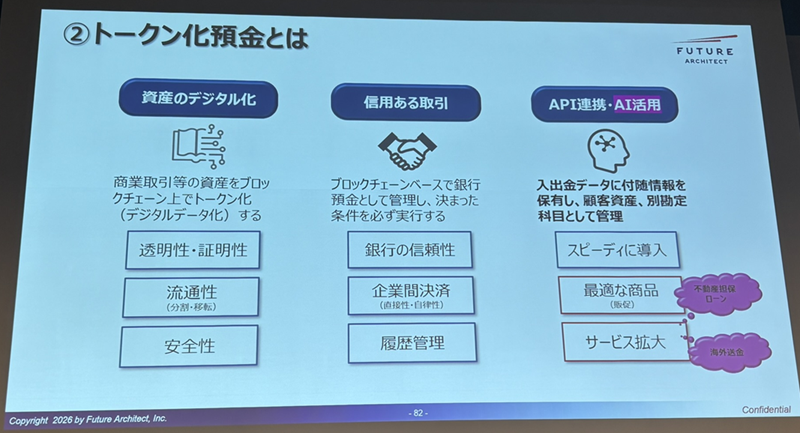
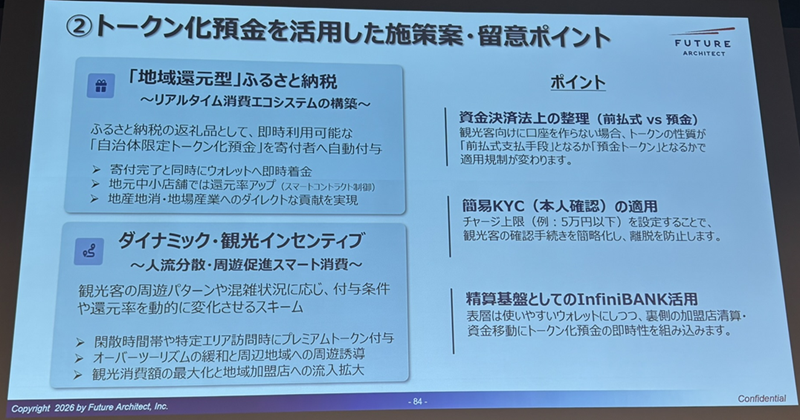
Moving forward, in our efforts regarding tokenized deposits, we are advancing initiatives such as retaining associated information with deposit and withdrawal data and managing it as customer assets or separate account items. Through API integration and the use of AI, we will support financial institutions in making optimal product recommendations and expanding their services. It is said that tokenized deposits will enable smart consumption and dynamic incentives.
One new initiative is a community-reward-based “Hometown Tax” program. As a thank-you gift for Hometown Tax donations, it is possible to automatically grant donors “municipality-exclusive tokenized deposits” that can be used immediately.Additionally, the “Dynamic Tourism Incentive” scheme is under consideration, which dynamically adjusts eligibility criteria and rebate rates based on tourists’ travel patterns and crowd levels.
It is important to note that if accounts are not specifically created for tourism purposes, the applicable conditions will vary depending on whether the tokens are classified as “prepaid payment instruments” or “deposit tokens.”Furthermore, setting a recharge limit will simplify verification procedures for tourists and help prevent them from leaving. Additionally, while the wallet will be user-friendly on the surface, the system will incorporate the immediacy of tokenized deposits into the back-end processes of Merchant settlements and fund transfers.
Furthermore, as part of efforts to promote more effective use of funds in an interest-bearing environment, the company plans to provide rapid and low-cost securitization of receivables.