August 17, 2026, 8:00 a.m. (JST)
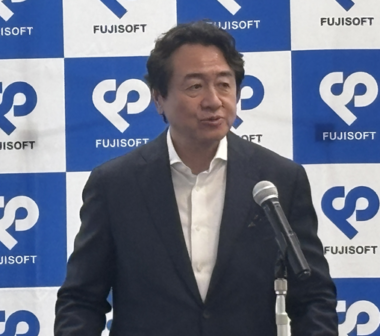
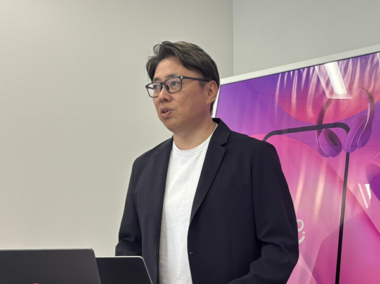
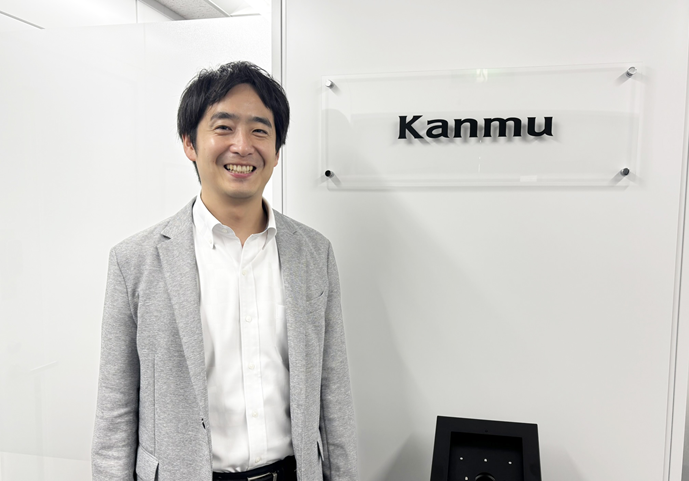
[Japan] Wataru Yamaki, Representative Director, Executive Officer, and CEO of Kanmu—the provider of the Visa prepaid card “Bundle Card” and the Visa credit card “Pool”—stated in an interview thatstated that, leveraging the company’s partnership with Mitsubishi UFJ Financial Group (MUFG), he intends to expand B2B services and explore synergies with the new digital bank being established by MUFG.
Promoting “Re: Bundle Card” and Expanding New Services to Mark the 10th Anniversary
“Bundle Card,” the company’s flagship service which has marked its 10th anniversary since launch, has surpassed 15 million cumulative downloads.To mark its 10th anniversary, Kanmu is promoting the “Re: Bundle Card” service renewal project. In March 2026, the company added a loan feature, and in July, it introduced a new feature that makes it easier to track “money available now” by taking into account upcoming expenses.
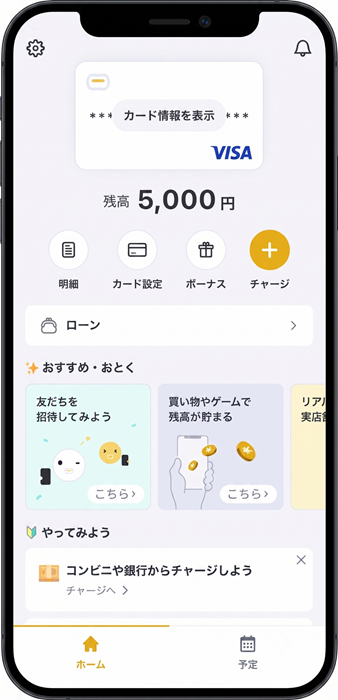
Bundle Card is a Visa-branded prepaid card that can be issued in as little as one minute. It can be used at Visa merchants in over 200 countries and regions worldwide, including Japan, and is popular among many users for its reloadable nature and the peace of mind that comes from easily tracking spending.
It features functions such as “One-Tap Top-Up,” which allows you to instantly add funds by entering an amount in the app. In addition to a “Virtual Card” that can be displayed on the smartphone app for online shopping, you can also obtain physical plastic cards—“Real” and “Real+ (Plus)”—for use at brick-and-mortar stores.Furthermore, on Android devices, the card supports Visa contactless payments, allowing users to pay simply by holding their smartphone near the terminal.
Mr. Yamaki stated, “We currently support Google Pay, but we are also continuously evaluating Apple Pay. We also intend to explore ways to improve security and expand functionality, such as by transitioning plastic cards to IC-based cards.” He believes Bundle Card still has significant room for growth and aims to secure a leading position amid the trend toward multifunctionality in the prepaid card industry.
Pool Reaches Cumulative Investment of 10 Billion Yen, Evaluated as “A Decent Figure”
Additionally, “One-Tap Top-Up” is one of the top-up methods for “Bundle Card.” It is a feature that allows users to instantly add funds to their balance—even if they don’t have cash on hand—by entering an amount via the app and submitting a request, with payment made on a deferred basis.The charged amount can be paid by the end of the month following the month of the request via convenience stores, Seven Bank ATMs, online banks, and other channels.
Approximately 50% of Bundle Card app users are between the ages of 18 and 29*1, making it a staple prepaid card for the younger generation who often find it difficult to obtain credit cards. *1 Figures released in 2023
On the other hand, “Pool,” a prepaid Visa credit card app with wealth-building features, allows users to invest their loaded funds in short-term investments every two months (with an estimated annual return of 2%) and use their balance directly for purchases at Visa merchants (earning 1% cashback).
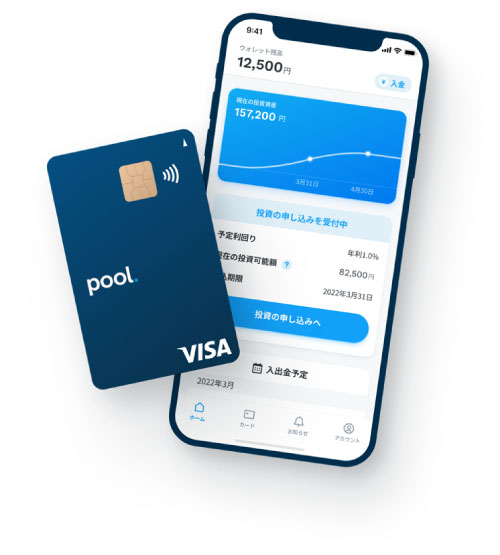
In October 2025, “Pool” surpassed 10 billion yen in cumulative investment.As Japan continues to shift from savings to investment, and investing gains traction across various demographics, “Pool” was launched as an unprecedented service that combines “payment” and “investment.” Regarding the service’s performance to date, Mr. Yamaki described the results as “reasonably good.”
New Service for SME Financing: “There Is a Clear B2B Need”
Kanmu, which has led the way with its BtoC Bundle Card, is now also focusing its efforts on a new BtoB service.
This shift is driven by strong demand from small and medium-sized enterprises (SMEs) for funding. Mr. Yamaki stated, “Since the demand is clear, we are focusing on this initiative while prioritizing the efficiency of our screening process.” Furthermore, becoming part of the MUFG group has made it easier to collaborate with the bank itself and credit card companies.
“Sakutto Fundraising” is a financing service for small and medium-sized enterprises (SMEs) that provides immediately available funds by purchasing future sales. The entire process, from application to funding, is completed online, and AI-powered screening allows the financing to be finalized in as little as four business days. A key feature is that it enables SMEs to raise funds more easily and in less time than obtaining a loan from a typical bank.
Furthermore, as the first phase of its buy-now-pay-later (BNPL) initiative for small and medium-sized businesses, the company launched “Sakutto Installments” on March 12, 2026—an installment payment service that invoice-issuing companies (sellers) can implement free of charge.
Invoicing companies (sellers) can offer this “Buy Now, Pay Later” payment service to their business partners (buyers) at no implementation cost and with no risk of non-payment. It can be utilized as a flexible payment option when proposing high-value or large-scale seasonal deals to business partners.
Accelerating Group-Wide Collaboration Through MUFG’s Digital Bank “Emutt”
Furthermore, MUFG is moving forward with the establishment of a new digital bank, aiming to launch in the second half of fiscal year 2026. The bank is scheduled to operate under the new brand “Emutt,” pursuing convenience—with all transactions handled via smartphone—as well as attractive interest rates and fees, and Kammu is expected to play a key role within the group.
Among megabank groups, comprehensive financial services—such as Sumitomo Mitsui Financial Group’s “Olive”—that consolidate functions like bank accounts, credit cards, debit cards, and points-based payments into a single app are attracting attention as new revenue sources.
Mr. Yamaki expressed his optimism, stating, “We also have plans for financial services targeting small and medium-sized enterprises using digital technology, and going forward, the MUFG Group may roll out a variety of new services.”
Mr. Yamaki also expressed his enthusiasm, stating, “The financial industry has yet to clearly define what new services resulting from the combination of AI and finance will look like. We want to take the lead in this field and create new services.”