August 7, 2026, 8:00 a.m. (JST)
[Japan] Tobira Systems, which provides filtering services for fraud and nuisance activities originating from phone calls and social media; Classroom Adventure, which promotes media literacy education;and Kakko, a provider of fraud detection services—these three companies hosted a media briefing on August 5 featuring Masato Mori, Representative Director of the General Incorporated Association Criminal Incident Analysis Institute and a former Assistant Superintendent with the Chiba Prefectural Police who specializes in cybercrime countermeasures. The event was held under the theme “Where Could That Scam Have Been Prevented?”Experts from each company provided insights into the latest scams in the AI era and the processes leading to victimization from the perspectives of individuals, businesses, and education.
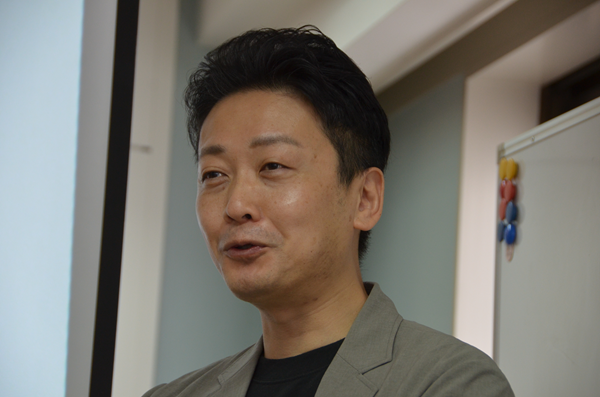
If it feels “suspicious, dangerous, or scary,” stop and think
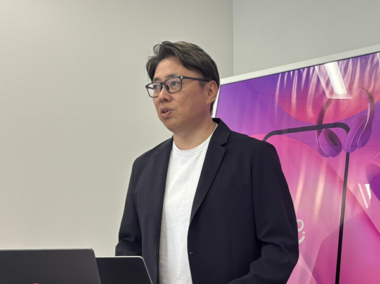
First, guest speaker Mr. Mori delivered a keynote address titled “The Reality of Cybercrime and the Importance of Prevention, as Seen Through Real-Life Investigative Experience.”Mr. Mori is a former police assistant inspector who served for 15 years as a detective in the Public Safety Division, handling cases involving cybercrime and economic crimes. He later moved to the private sector to implement practical risk management strategies for companies, and in 2024, he founded the Criminal Incident Analysis Institute (Keijiken), where he serves as Representative Director.
In his keynote address, he presented a case he personally investigated: a woman whose romantic feelings were exploited; she was approached via social media, subjected to mind control, and eventually drawn into crimes such as prostitution.
Mr. Mori stated, “Looking back on my time with the police, I realize that there are many problems in the world that fall outside the scope of the law.I’ve received many consultations over the years, but only a small fraction of them result in formal criminal cases. When listening to those who seek my advice, I find that many people—though they didn’t realize it at first—eventually thought, ‘This is suspicious, dangerous, or scary.’ To prevent being drawn into crime, it’s crucial to pause at that moment, think calmly, and consult someone.”
Fraud Schemes Optimized for Individual Targets Using Prior Information, with AI Enhancing Both Quality and Quantity
In Session 1, Mr. Yutaka Tsuge, a security researcher at Tobira Systems, explained the “contact phase” under the theme “Where Does Fraud Begin?” Mr. Tsuge discussed recent trends, noting, “Fraud is becoming more sophisticated and efficient while constantly changing its form.”

For example, the phone numbers used in scams have evolved in response to the countermeasures implemented by those working to prevent fraud. The scene of the scams shifted from cell phones to landlines—using features that allow calls to be forwarded from cell phones—then to 050 IP phones, and most recently, as international calls have increased, the use of cell phone numbers—which had been on the decline—is on the rise again.Mr. Tsuge stated, “The 060 number series is scheduled to launch next April, and we intend to closely monitor whether it will be exploited.”
In addition, scams that first collect personal information to gain the victim’s trust are on the rise. In fake police officer scams, fraudsters make the target believe they are genuine by saying, “You’re Mr./Ms. [Name], aren’t you?”—implying they know the victim personally. Similarly, smishing (phishing via SMS) that includes the victim’s real name is also effective in gaining their trust.
Mr. Tsuge warned, “These scams are individually optimized using prior information, and both their quality and volume are accelerating thanks to AI. Fraud is not limited to a single, fixed method; it continues to evolve as it adapts to the environment, countermeasures, and technology.”
Will the Mandatory Adoption of 3-D Secure Mark a Turning Point in Reducing Fraud Losses?
In Session 2, Mai Onose, General Manager of the KAKKO O-PLUX Division, explained the phases in which fraud occurs, focusing on the theme “When Fraud Occurs.” Personal information leaks are becoming more severe every year; it is estimated that by 2025, every Japanese person will experience a personal information leak an average of twice a year.

As a recent example, she highlighted that the number of reports regarding Rakuten accounts being hijacked—resulting in unauthorized orders placed on Rakuten Ichiba—has reached approximately 400 cases, illustrating how the tactics used to place fraudulent orders following phishing-based account hijacking are becoming increasingly sophisticated.
Account hijacking incidents are surging; police reports alone exceed 7,000 cases annually, a 4.7-fold increase over the past five years. The financial losses from credit card fraud have remained high, exceeding 50 billion yen for three consecutive years.Mr. Onose stated, “However, with the mandatory implementation of 3-D Secure, the numbers are trending downward, and it is believed that Japan is seeing the same deterrent effect as in Europe, where multi-factor authentication has led to a significant reduction.”
“Ray’s Disappearance,” a game that simulates the experience of working in the black market, is gaining attention in educational settings

In Session 3, Zentarō Imai, President and CEO of Classroom Adventure, explained the educational phase under the theme of “Education to Prevent Becoming a Victim or Perpetrator.” The company developed “Ray’s Disappearance,” an educational game that simulates the experience of “dark part-time jobs,” which has been adopted by schools and local governments nationwide.
“Ray’s Disappearance” is a game-based educational program in which players explore the social media accounts of their missing friend “Ray” to uncover the reality of illegal part-time work. It is used as a teaching tool to help students develop information literacy and crime prevention skills through the story of searching for their missing friend Ray.
Mr. Imai stated, “Through the game, players can experientially learn the characteristics of people who are easily targeted and the tactics used to recruit them via social media. Another key feature is that it comprehensively teaches practical countermeasures, such as how to identify suspicious job postings and how to consult the police if, in the worst-case scenario, they become involved.”
Security Measures as a Cost to Protect Revenue
Finally, attendees held a joint discussion on the theme, “Where Can Fraud Be Stopped? Individuals, Businesses, and Education: Who Can Prevent It and How?” Mr. Tsuge noted that, as a personal precaution, “It’s important not to interact with information that comes to you unsolicited.”Mr. Onose stated, “Companies tend not to allocate resources until they’ve actually suffered a loss. It’s important not to fall into the trap of overconfidence—thinking, ‘We’ll be fine’—but rather to view security as an investment in protecting revenue from services and other sources.”
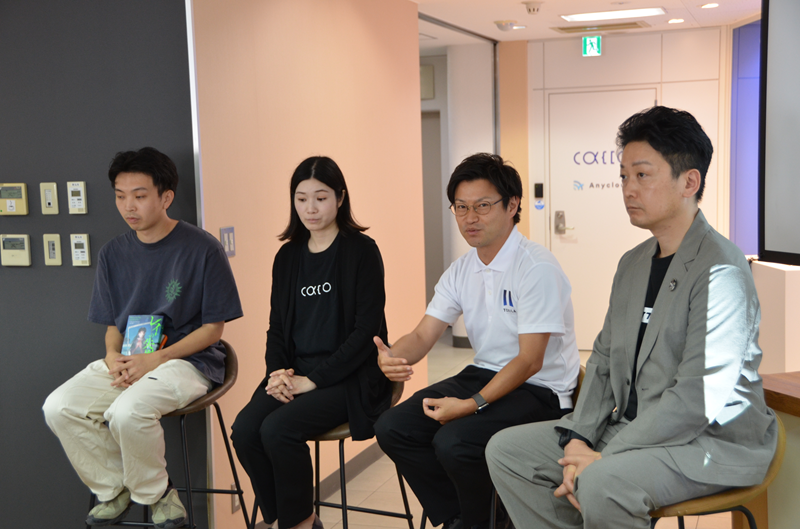
Mr. Imai remarked, “Since fraudsters have an incentive, their methods are becoming increasingly sophisticated. To prevent this, merely giving the impression that we’re ‘taking measures’ is no longer enough. We must address whether each individual possesses the necessary digital literacy.”Mr. Mori said, “There are some scams that can be prevented simply by knowing that certain tactics are currently prevalent. Rather than leaving it entirely to the government, private companies need to take the initiative and share information in creative and innovative ways.”
During the panel discussion, regarding scam trends to watch out for this summer, they cited “sextortion targeting children on summer vacation” (a crime in which perpetrators coerce children they’ve met on social media into sending sexual images or videos, then use them as leverage to extort money or e-money) as well as“phishing emails lurking among the backlog of messages after the Obon holiday,” and “travel-related scams.”