November 5, 2026, 8:00 a.m. (JST)
[Japan] Diners Club’s corporate cards are performing well. Its Corporate Card System (CCS) for large enterprises has grown 3.5 times over the past two years. Usage of its Purchasing System (CPS) has increased approximately fivefold compared to fiscal year 2024.Collaborations such as the partnership with Sumitomo Mitsui Trust Bank appear to be paying off. We interviewed the company about the current state of B2B payments, including merchant acquisition.

Corporate card usage among large enterprises has increased 3.5-fold over the past two years.
Mastercard-branded cards are also driving this growth
Diners Club’s corporate cards are performing well. In particular, the number of companies using the Diners Club Corporate Card System (CCS) for large enterprises has increased 3.5-fold over the two years starting in 2024.
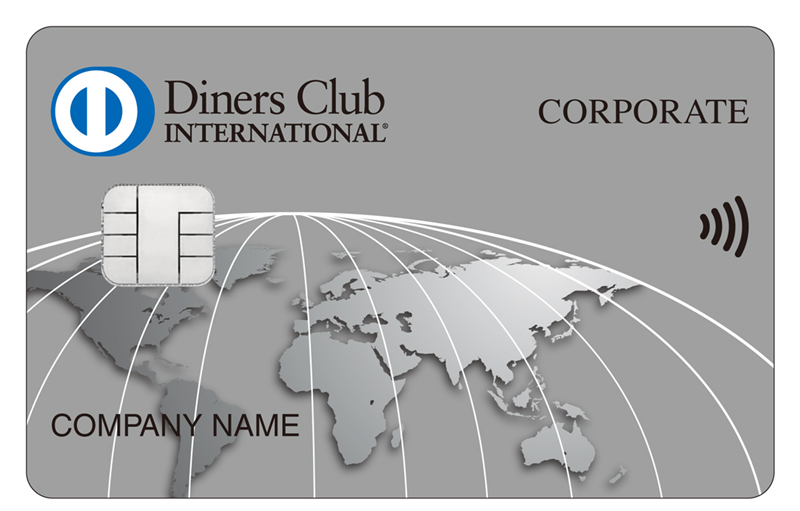
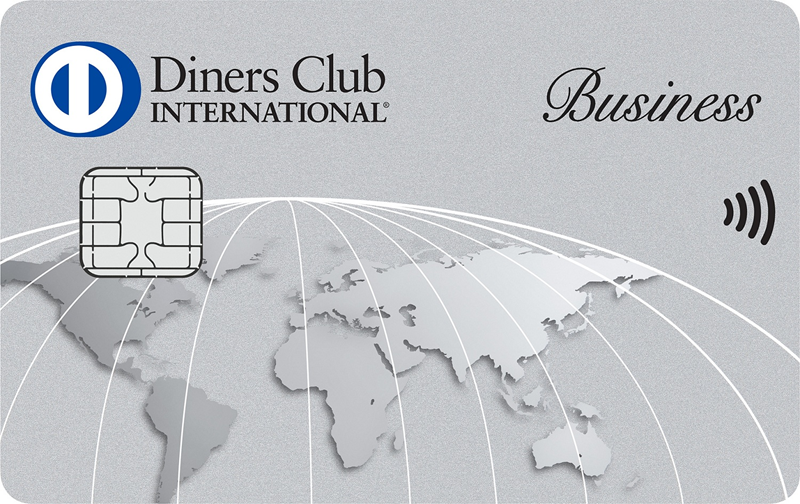
In addition to the Diners Club Corporate Card System (CCS) for large enterprises mentioned above (annual fees are set on a case-by-case basis), Diners Club’s corporate card lineup includes the Diners Club Corporate Card for small and medium-sized enterprises (annual fee: 13,200 yen per card, tax included),the Diners Club Business Card for sole proprietors (annual fee: 33,000 yen, including tax; up to four additional cards can be issued free of charge), and the Diners Club Business Premium Card (includes concierge service; annual fee: 165,000 yen, including tax;up to four additional cards issued free of charge), among others, offering a lineup suitable for everyone from individuals to large corporations. For example, the number of “Diners Club Business Premium Cards” issued has been growing annually as expected, and the average spending per member is reportedly higher than for other products. There are also corporate cards offered in partnership with ANA and Hotel New Otani.
For large enterprises, the company also offers expense reimbursement systems that do not issue physical cards. These include the Diners Club Corporate Purchasing System (CPS) (no annual fee), dedicated to the reimbursement of purchasing expenses, and the Diners Club Corporate Travel System (CTS) (no annual fee), for the reimbursement of international airfare.
A major factor driving the growth of the Corporate Card System (CCS) has been the contribution of the Mastercard-branded TRUST CLUB Corporate Card, which began rollout in 2024.While the Diners Club brand offers comprehensive benefits and a sense of prestige, “members who prioritize payment convenience tend to prefer Mastercard, which can be used in a wider range of situations,” says Tsune Urago, Executive Officer and General Manager of the Sales Division at Sumitomo Mitsui Trust Club.The company proposes products from these two brands to businesses based on their needs, maintaining a structure that accommodates a wide range of requests.
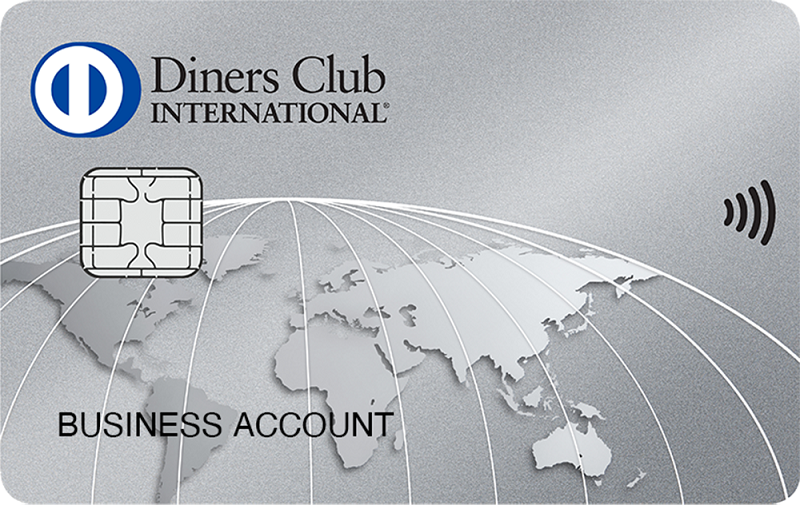
Additionally, as part of a new initiative, the company has partnered with Rakusuru, which possesses a strong business foundation with small and medium-sized enterprises (SMEs) in the printing, advertising, and logistics sectors, towith the aim of “maintaining brand value while expanding our reach into the mass market” (Toru Matsumoto, Head of the Partnership and Corporate Card Planning Team, Issuing Planning Department), we plan to offer the “Raksul Diners Corporate Card,” a corporate credit card designed for small and medium-sized enterprises.
The card can be used in various ways depending on a company’s needs.
We also provide detailed, individualized support
Sumitomo Mitsui Trust Club is the only company in Japan authorized to issue Diners Club cards, an international credit card brand. Diners Club cards are known for targeting high-net-worth individuals in the consumer market, where they have established a unique position through services that exude a sense of exclusivity—distinct from other brands—and personalized hospitality tailored to each individual; the same holds true for the corporate market.Naoki Masuda, General Manager of the Merchant Sales Department in the Sales Division, explains, “Credit card payments are becoming increasingly common in procurement sectors such as agriculture and dairy farming. In fact, some merchants accept only Diners Club cards.”
First, let’s consider credit limits. A key feature is that there are no uniform restrictions; limits are set on a case-by-case basis. These limits are generally high. “Even for procurement payments, which tend to be high-value, corporate members can make payments without worrying about credit limits compared to standard credit cards,” says Mr. Masuda.Furthermore, if a payment exceeds the credit limit, the company provides tailored support on a case-by-case basis to assist corporate members.
The company offers a full range of products and services to meet the needs of corporate clients, from startups to large enterprises. That said, its primary customer base at this time remains mid-sized to large companies.The Sumitomo Mitsui Trust Group includes Sumitomo Mitsui Trust Bank, and the company works in collaboration with the bank’s sales team to approach its prime clients—mid-sized and larger enterprises. “It is by no means the card’s features that are the deciding factor here,” says Mr. Urago.While he does not reveal the specifics of their strategies for acquiring corporate clients, it is likely that the trust built up over time as a group plays a significant role.
The Diners Club Corporate Travel System (CTS), which centralizes the settlement of international airfare, saw a significant decline due to the COVID-19 pandemic; however, transaction volume is now holding steady as demand for business travel (overseas business trips) recovers.On the other hand, due to changes in corporate travel patterns, the number of business trips and the number of travelers remain at about 70 percent of pre-pandemic levels. However, rising per-trip costs—driven in part by soaring airfares—combined with an increase in new client companies and expanded usage by existing clients, are contributing to the growth in transaction volume.In 2023, CTS raised the coverage limit for its flight insurance to 70 million yen to differentiate itself from competitors, which also led to increased adoption. Due to these factors, CTS’s performance for fiscal year 2026 is expected to reach a record high.
Regarding the aforementioned Mastercard-branded TRUST CLUB Corporate Card, there are reportedly cases where companies differentiate usage by employee tier—for example, issuing Diners Club Corporate Cards to executives and TRUST CLUB Corporate Cards to other employees.

In addition, some members conduct corporate transactions using business account cards attached to their personal cards. Since circumstances vary—such as employees of publicly traded companies or executives of multiple companies—we do not make blanket recommendations for corporate cards. Instead, we take the approach of proposing cards and services tailored to each individual member.
The purchasing system is showing remarkable growth.
Growth of more than fivefold expected from 2025 onward
Another notable trend is the significant expansion in the use of the Diners Club Corporate Purchasing System (CPS) in the expense reimbursement sector.Triggered by strengthened collaboration with Sumitomo Mitsui Trust Bank, usage has been on a steady upward trend; in fiscal year 2025, the number of contracted companies was 2.3 times that of fiscal year 2017, and transaction volume was approximately five times higher.For fiscal year 2026, Total Payment Volume is also projected to exceed five times the level of fiscal year 2017. Among payment products, there has been a notable increase in digital-related expenditures, such as affiliate fees, system usage fees, and AI service fees.
While the purchasing system was previously provided uniformly to all companies using corporate cards, in recent years there has been an increase in cases where companies implement only the purchasing system without issuing corporate cards. Some companies even use the purchasing system for payments such as SaaS subscriptions, with transaction volumes reaching hundreds of millions of yen.The convenience of “cardless” products—which do not require the issuance of physical cards—also appears to be a benefit for adopting companies.
In addition to the recovery in CTS usage and the expansion of CPS usage, the launch of “Corporate Club Online” in 2025 has enabled centralized management across CCS, CTS, and CPS. This not only improves convenience for corporate representatives and streamlines administrative tasks but also enhances the value of the corporate payment solutions we provide.
The company is fundamentally committed to safeguarding not only its existing customers and existing services and product offerings but also the profile of the customers it wishes to attract in the future. It has no intention of hastily broadening its customer base to pursue new business.“We won’t take unnecessary risks. We will continue to conduct sound business transactions properly,” says Mr. Uragō. The company approaches its operations based on the belief that this approach will lead to business growth. It is precisely in this philosophy that the brand value of Diners Club resides.